

TODAY October 27, 2026
60th anniversary of Lucca Comics & Games 2026 happens this coming weekend in Lucca, Italy – Yahoo
Superhero-horror film tops weekend box office – Fortune
Clayface, an R-rated body-horror film about the Batman villain, opened in 3,458 theaters and earned an A- CinemaScore. It was produced for a reported $44 million, a modest budget for a comic book movie. That contrasts with Supergirl.."
Steven Soderbergh steps in to helm Batman II shoot in UK with Pattinson while Matt Reeves back in USA over family matter – Hollywood Reporter
...the plan is for Soderbergh to work in London, while Reeves operates out of Los Angeles. Reeves will also be hands-on during the movie’s post-production in L.A. The film is said to be about two-thirds done..."
Monday, October 26, 2026
Interview with Nick Abadzis – The Comics Journal
The X-Men Art of Andy Kubert 9" x 13.5" book coming
Mad Cave publishing joins list of license holders to republish Marvel content – Bleedingcool
Other Marvel license holders Webtoon, Scholastic, Joe's Books, Viz, IDW, Skybound, Fantagraphics, Clover Press, Dark Horse Comics and Abrams Books.
Interview with Michael Furler – Broken Frontier
Swiss artist Michael Furler has already built a knowing following among indie comics fans in the UK..."

James Gunn explains the DCU
Story at Threads
DCU is just an alternate universe; we can enter at any location or time and tell THAT story. I dislike the idea that individual stories aren't meaningful unless they lead to something else..."

"Lined with graphic novels, manga and posters, Hello Comics offers Charlottesville [Virginia] residents more than a place to browse their favorite titles" – Cavalier Daily
Avengers Doomsday movie playing up the Captain America angle – Geeksandgamers
Annual comic book convention CairoComix happening November 13 to 15 – Scoop Empire
The festival is organized with support from several partners, including Tosh Fesh, the AUB Center for Arab Comics Studies, the Institut Français, Pro Helvetia, and the German Embassy in Cairo..."
CairoComix 11 is an annual international comic book and sequential art festival held in Cairo, Egypt.
X-Men movie reboot proceeding with new casting – Comicbook Movie
"Cosplayers that went all out" at comic book conventions – Alot.com
Clayface Boxoffice – Entertinament Weekly
Estimated production budget of $30 million to $44 million, with an estimated marketing cost of $30 million. That roughly means it needs to turn $160-180 million for a profit, since theaters keep roughyl half of ticket sales.
The comic house’s audacious body horror offering, Clayface, snagged the top spot at the domestic and global box offices this weekend, with $24 million in the former market and $43 million in the latter. But it was You Can See Everything, the form-melting new provocation from The Rehearsal’s Nathan Fielder and Primetime’s Lance Oppenheim that seized center stage..."

Jujutso Kaisen and Spider-Man T-shirts, Fair Oaks Mall, Virginia, October 2026
Sunday, October 25, 2026
Interview Becky Cloonan – Pages and Panels
Although it has sequential art, Cloonan says Fever Dream is not a comic. Structured like a collected sketchbook story, with sequential pages tucked in, it’s full of process art and concepts, while conveying a story through moods on the page..."
Interview with Art Spiegelman about "his most controversial comic"– Publishers Weekly
...Spiegelman’s book In the Shadow of No Towers. The oversized collection of comics, told in the style and format of vintage Sunday newspaper comic strips, chronicled Spiegelman’s emotional and political response to the tragedy of September 11, 2001. This September, on the 25th anniversary of 9/11, Pantheon issued a new edition of Spiegelman’s book..."
Clayface has $45 million opening international boxoffice – The Numbers
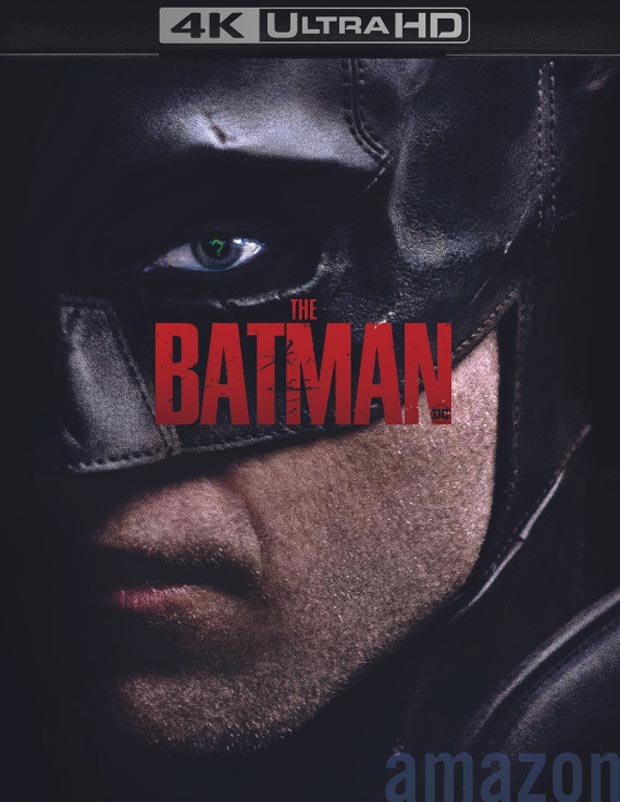
Clayface tops weekend box office – Hollywood Reporter
The future of comics? Call for papers – Down the Tubes
The joint committees of the International Graphic Novels and Comics Conference (IGNCC) and the International Bande Dessinée Society (IBDS) is inviting submissions for a conference discussing to consider the “desirable future” – «Futurs désirables» – of comics..."

Second arrest made in murder of Semyon Skrepetsky – Daily Cartoonist
Artist’s Edition 12x17 book of Bissette and Totleben’s Swamp Thing – Bleeding Cool
Marvel's January 2027 book release list – Comicsbeat
January 2027 book release list from Image – Bleedingcool
Interview with Pornsak Pichetshote writer for Absolute Green Arrow, The Good Asian to talk about new project Exquisite Corpses – Cryptid Creator Corner
Video of retrospective walk looking at Yves Chaland’s atwork – Actuabd [French]
The Antoine Mathon Gallery and Isabelle Beaumenay-Chaland, wife of comic-book artist Yves Chaland (1957–1990), had the excellent idea of organizing a retrospective exhibition of his work in Paris, ahead of the major exhibition that will take place next year to mark the 20th anniversary of the Rencontres Chaland de Nérac festival. This provided an opportunity for Isabelle to take a walk through the exhibition in the company of comic-book artist François Schuiten and Didier Pasamonik, Chaland’s former editor at Magic Strip publishing...."
So what was on display at the NYC Comic Con 2026? – Publishers Weekly
Upstairs on the main floor, it was a glimpse of pop culture’s future. The presence of anime and manga franchises has been growing steadily at NYCC for the past two decades, and on this year’s show floor the dominance appeared complete, with interactive booths and displays for Viz, Webtoon, Konami, Crunchyroll, Dragonball, Yen Press, and Bandai spanning the front of the hall. It’s not hard to see why: As Milton Griepp revealed when he presented IcV2’s annual white paper over the weekend, manga was once again the fastest growth category in comic stores in 2026, with sales rising 34.9% over last year..."
Clayface movie opens Thursday night previews at 3,458 opening theaters with $3.5 million take – Hollywood Reporter
48 years later, Wonder Woman gets an oversized edition – 13th Dimension
The oversized "Treasury" style DC "Limited Collector's Edition" books ran as a series from 1972 to 1978. Though containing new cover art and bits and pieces of other added artwork, they generally only reprinted older stories from the various series being collected, something that closely mimicked the Marvel Treasury series that (generally) did the same thing with Spider-Man, Conan, etc.
At the time of the DC series, there wasn't a Wonder Woman issue made (rather surprising considering at the time the Lynda Carter Wonder Woman TV show was successfully running for three seasons). So, it's 2026 and now DC is getting around to it with Limited Collectors’ Edition #64 (or #C-64): Wonder Woman — The Princess and the Power.
...collects the first three issues of [George] Perez’s run and is due Nov. 18. The standard edition lists for $14.99, with the foil variant priced at $19.99..."
See a list of ALL the DC Collector's Editions from 1972 until now
Remembering comic artist pioneer Tony DeZuniga who paved the way for Filipino artists in America – CBS Sacramento
[DeZuniga's wife] Tina said Tony helped bring a publisher to the Philippines, opening doors for artists who wanted to work with major comic book companies. "So that's why now, even the young artists are enjoying (working) for DC, Marvel, and other publishers. It's because of Tony. He's the one who started the whole thing (for) the Filipino artists. That's why he's like a hero for all these artists."
Although the two grew up near each other in Manila, the capital of the Philippines, they did not meet until their paths crossed in Stockton..."
The Star Wars – Marvel crossover, Kevin Smith wrote it "like an MCU movie" – Cosmic Book
The "lawless age" of comic books – Comicsbeat
This is the Lawless Age of Comics where there is no right or wrong. Where anyone and everyone has a chance to be included. Where there are only results and nobody really cares how they are achieved, they just need to be done. After all, this is a place of business, not a wish factory. Once you understand that, hopefully you’ll be able to sneak your imagination into this beautiful machine..."
Review of the "Funny Pages" exhibit at the Anderson Museum of Art in Anderson, Indiana – The Comics Journal

Magic: The Gathering sales hit new record: over $600 million for Q3 – Icv2
Interview with G. Willow Wilson – Apple Podcasts
Writer G. Willow Wilson joins the show for the first time to talk about her journey in comics and her work on titles like Poison Ivy at DC and Black Cat at Marvel..."
Is the Artist Alley sustainable? – Comicsbeat
Todd Webb interview – The Comics Journal
Tom King exiting Wonder Woman and coming in are Louise Simonson and Stephanie Williams – Bleedingcool
This weeks releases – 507 covers
53 Marvel covers and 50 DC Comics – at Fresh Comics
Clayface movie coming out October 23
A horror-superhero hybrid – Zoom
DC trying to blend horror with the DCU – Washington Post
Clayface is a darker detour for DC. And, if it proves successful, it just might open up a darker frontier for comic book movies. "From the get-go, this was not designed to be a traditional superhero movie," Safran says. "It was always supposed to be a character-driven story that uses the DC mythology. If you took the DC elements out of it, it would just be a great horror movie." That makes Clayface something unusual in the normally calculated realm of superhero movies. It’s R-rated. It’s modestly budgeted at $40 million. And it stars the relatively unknown Tom Rhys Harries as a little-known DC villain...."
Superhero movie "flirting with the grotesque" – MSN AFP
Mixed reviews and "secret screenings" – Comicbook
Clayface stories (with Batman) going on sale as lead up to movie release – Outer Haven

The League of Regrettable Comic Book Heroes - 256 Pages - Amazon
1,360 different exclusives – mostly variant covers – at NYC comic con last year – Comicsbeat
Supergirl Milly Alcock deletes Supergirl posts from her social media – Comingsoon
The "hot" comics of the week – Bleedingcool
Netflix head gets axed – Hollywood Reproter MSN
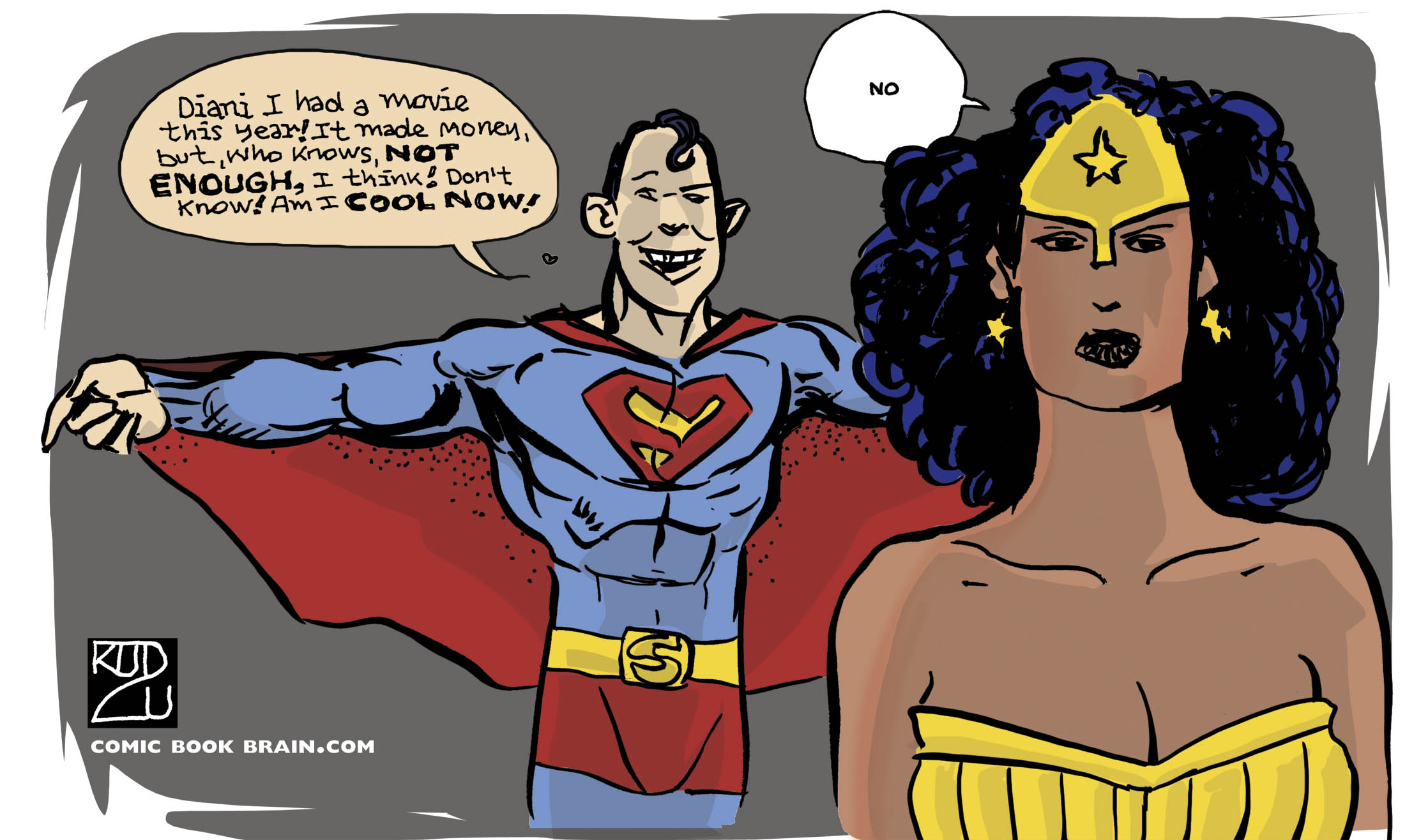
Jesse Eisenberg says "I can't get jobs after Batman v Superman"
Story at Entertainment Weekly
...If you’re an actor, you’re constantly panicked about, ‘Am I on an upslope or a downslope?’ Because there’s no plateau. Acting is just this unstable, awful industry where you are either on the treadmill and you’re doing okay and you’re running up or you are yesterday’s news and it’s awful..."

You need to go... but where? Where To Flee.com
Get into the Public Domain archives that are online at Graphic Chatter
Classic Film, reviews and more Cinemagraphe
Belief-Code, Body Code and T3 Therapy? See sacred-connection.com
Virginia USA based Elder Care for bill payment, case management, prescriptions, tax records or support for caregivers - AllStar Care Solutions