
Where are the new comic book fans?
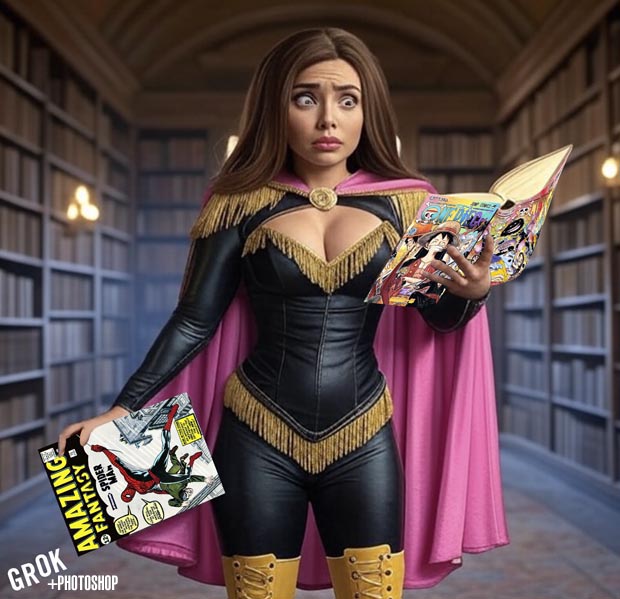
It's easy to access comic books nowadays, so why aren't there a lot of new fans? – MSN Screenrant
The demand for comics hasn’t been strong because, frankly, comics haven’t been seen as "cool."
Over the past decades as superhero films churned up incredibly high box office numbers and the faces of Batman, Spiderman, Wonder Woman, et al., spread onto every conceivable product that can be sold, the core item that makes superheroes "work" is the comic book itself. The other mediums are all derivative and whether one reads or does not read comic books, the awareness and even the impact of comic books is extruded through all these other mediums. But, comes the obvious question, with all that money raining down on the derivatives, why haven't comic book sales skyrocketed? Instead there's been a systematic decline for the two main engines of superherodom, Marvel and DC Comics (but it is usually stated that independent publications have gained ground, tho not enough to cover the losses from the big two). Somehow comic books are a multi-billion dollar industry except for the actual selling of comics themselves.
The easy explanation is the "distraction" of the internet, TV, and gaming have all eaten away at that portion of the potential audience that might otherwise be buying comic books and reading them. There's also the phenomenon of what's called "reading proficiency" which translates into a growing number of people who are simply functionally illiterate, a hair-splitting term in which an illiterate person is counted as "literate" in a narrow sense, but certainly not in a way that includes the ability to read comic books. Comic books (in the past) have been considered a bridging tool to get kids and young people to improve their reading and comprehension skills on the way to reading books and newspapers (that pre-internet juggernaut that is still with us in other forms), but the ability to read at some level is needed in order to enjoy comic books without the task of decoding what's going on in the dialogue, a challenge of engagement and participation that TV and gaming generally doesn't require, and so has a clear advantage.
But with the decline in comic book sales, there is the ironic "exception" that intrudes into the issue with a wholly different puzzle: manga sales. Like a "control" object within a scientific experiment, manga has blossomed into a worldwide phenomenon, and recently it was announced that digital manga sales had crossed the 700 billion yen line, and if that incredible number is combined with the hundreds of millions of sales for printed manga, the sheer inability of American-style comics to compete is something that goes beyond what is and isn't "cool."
Need new customers? Grow them!
The Link Between Literacy & Readership
Here’s a detailed breakdown of how literacy trends and population changes impact books, magazines, and comic books specifically.
As school-aged children become literate, they increase the potential audience for print and digital publications.
However, literacy alone does not guarantee increased readership—reading habits, access to materials, and cultural shifts play a role.
Historical Example: U.S. Literacy & Print Media Growth
Early 20th Century: Rising literacy rates (due to public education) led to booming newspaper, magazine, and book industries.
Mid-20th Century: As literacy became nearly universal, magazine and comic book sales peaked (e.g., Life Magazine, Time, and Superman comics in the 1950s–60s).
Late 20th & 21st Century: Despite high literacy, print readership declined due to TV, video games, and digital media replacing print as primary entertainment.
Current Trends:
Developing countries with rising literacy (e.g., India, Nigeria) are seeing growth in book sales, especially educational and digital books.
Wealthier countries with already high literacy are seeing a decline in traditional print readership, as younger readers consume content online.
2. Population Growth & Its Impact
A growing population theoretically means more potential readers, but its effect on readership depends on:
Demographics: Younger populations tend to read more comics and digital content, while older populations prefer print books.
Economic factors: Higher disposable income leads to increased book/magazine sales, while financial strain shifts consumers toward free digital content.
Cultural emphasis on reading: Nations that prioritize education and libraries see a more stable book market.
Example: Japan vs. the U.S.
Japan: Even with a declining population, manga readership remains strong due to deep cultural ties to comics.
U.S.: Despite a growing population, comic book sales have fluctuated because digital entertainment competes for attention.
3. The Effect on Specific Media
a) Books
Literacy and education levels increase book readership, but genre preferences shift over time.
Educational publishing remains strong, but general fiction/nonfiction faces competition from audiobooks and e-books.
b) Magazines & Newspapers
Print magazine readership has declined despite high literacy, as online media dominates news consumption.
Niche magazines (focused on hobbies, science, or lifestyle) still attract dedicated readers.
c) Comic Books
Historically: Comic books thrived in high-literacy, high-population-growth periods (e.g., Golden Age of Comics in the 1940s–50s).
Today: Literacy remains high, but readership shifts between print and digital comics.
Graphic novels are growing as a hybrid between books and comics, appealing to younger generations.
4. Digital Disruption vs. Literacy Growth
While rising literacy increases potential readership, digital entertainment diverts attention away from traditional print media.
Key Observations:
Younger generations read more text overall (via online articles, webcomics, and social media) but less physical print media.
Educational books remain stable, but fiction and print comics compete with streaming and gaming.
Conclusion
✔ Rising literacy increases potential readership, but consumption habits change based on technology, economics, and cultural trends.
✔ Books and comics benefit from literacy growth, but magazines and newspapers are declining due to digital competition.
✔ If literacy improves in younger generations, comics, e-books, and digital media are more likely to benefit than print formats.
ADVERTISEMENT: You will see Amazon links on this web site because I am an Amazon affiliate. If you buy something rom them they might throw me a few coins and then I'll buy a comic book.

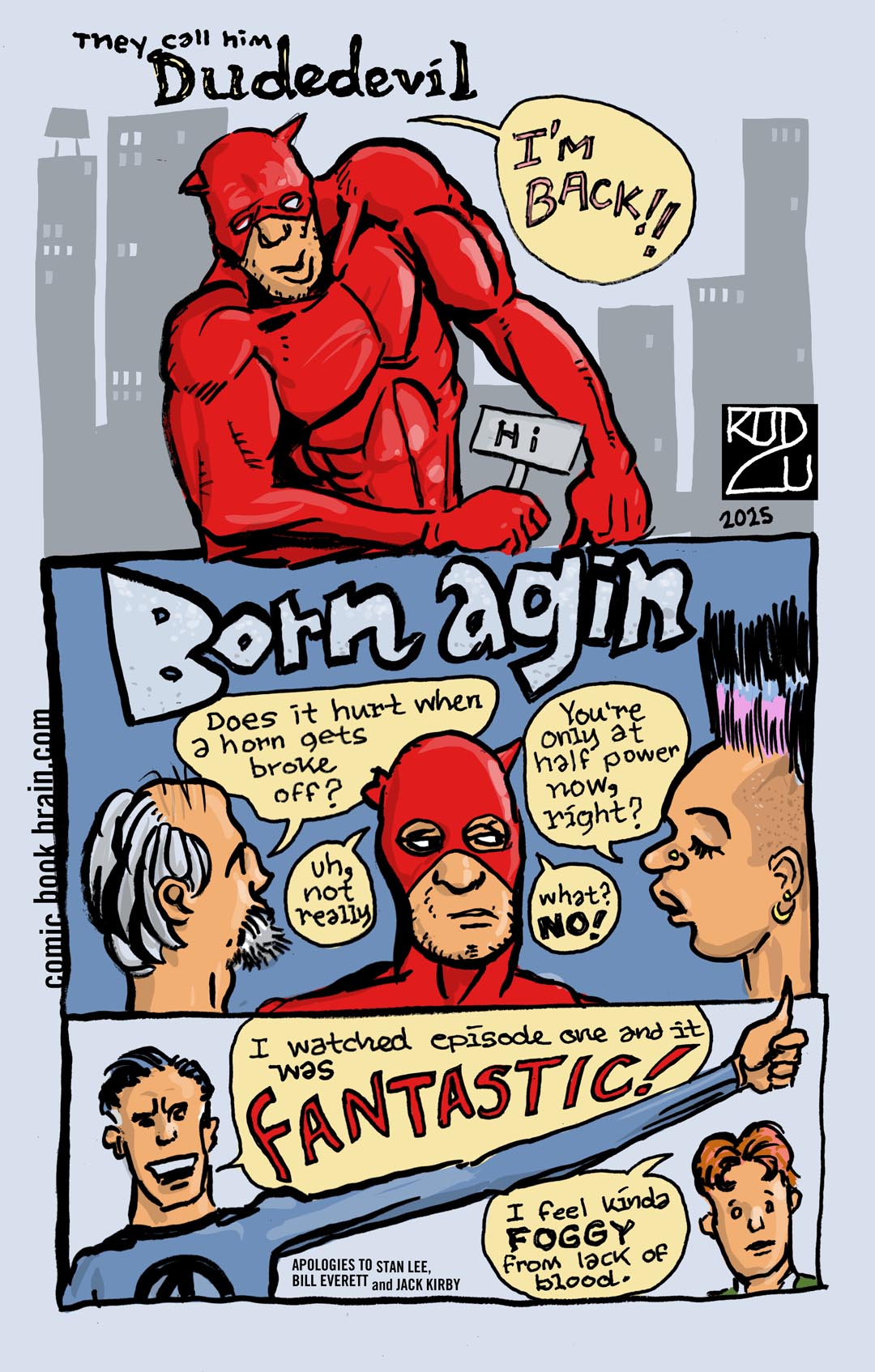
You will see Amazon links on this web site because I am an Amazon affiliate. I earn from qualifying purchases.

Original Page March 10, 2025